Pittsburgh, Pennsylvania, is experiencing a thriving short-term rental market, characterized by a median occupancy rate of 61%, an average daily rate of $130, and annual host revenues of around $27,000, making it a highly profitable and stable investment opportunity.
Want to see how much your property could earn?
Check out our Airbnb Revenue Calculator tool!


General Rental Data
Daily rates
Looking to invest in a vacation rental? Check out our ROI tool to calculate your future rental’s real profit potential!
Short-Term Rental Market in Pittsburgh, Pennsylvania (2026)
Vacation rental performance in Pittsburgh, Pennsylvania has held up through 2025–2026 despite broader supply growth. The average daily rate is approximately $134. These figures reflect 2024 baseline data adjusted for 2025–2026 ADR growth of 3–5% and the modest occupancy compression seen across the U.S. short-term rental sector as new supply has entered the market.
For investors and operators evaluating Pittsburgh, the broader Pennsylvania dynamic remains favorable: rate strength continues to offset volume softness, keeping RevPAR (revenue per available rental) relatively stable year-over-year. Hyperlocal factors — neighborhood-level demand, seasonality, and the regulatory environment — should be confirmed before making investment or pricing decisions.
Market estimates as of 2026. Conditions vary; consult local operators for current data.
Short-Term Rental Regulations in Pittsburgh, Pennsylvania for 2026
Registration and Licensing
- Registration with the City: All short-term rental properties must be listed on the official rental registry to legally operate.
- Rental Permit: Owners must apply for a rental permit annually, which involves submitting a completed rental permit application, proof of identification, and other required documents.
- Business License: Obtain a business license as part of the registration process.
Permits and Inspections
- Occupancy Permit: Obtain an occupancy permit if applicable.
- Property Inspections: Undergo property inspections every 3 years to ensure the unit meets building code and safety standards.
Taxes
- Hotel Room Rental Tax: Register and pay the 7% Allegheny County Hotel Room Rental Tax, in addition to the 6% state hotel occupancy tax.
- Sales, Use & Hotel Occupancy Tax License: Register with the Pennsylvania Department of Revenue for a Sales, Use & Hotel Occupancy Tax License.
Safety and Zoning
- Safety Requirements: Ensure the property meets safety standards, including having smoke detectors, fire extinguishers, and carbon monoxide detectors.
- Zoning Approval: Comply with local zoning ordinances and obtain zoning approval if necessary.
Contact and Emergency Information
- Local Contact Person: Designate a local contact person who is available 24/7 for any concerns or emergencies related to the rental property.
Record Keeping
- Guest Records: Keep records of anyone who enters the property, as proposed in new regulations.
Compliance and Enforcement
- Routine Inspections and Compliance Checks: The Pittsburgh Department of Permits, Licenses, and Inspections (PLI) conducts routine inspections and compliance checks to ensure adherence to city regulations.
- Penalties for Non-Compliance: Failure to obtain or renew the required rental permit can result in penalties of $500 per unit per month.
Insurance
- Liability Insurance: Maintain liability insurance to cover potential accidents or injuries occurring on the property.
Additional Requirements
- Annual Renewal: Permits must be renewed annually.
- Community Involvement: Participate in public hearings and other community involvement processes as part of the regulatory framework.
Regulatory information last reviewed for accuracy in 2026. Local STR ordinances change frequently — verify current rules with the city or county before listing.
Top Neighborhoods for Airbnb Revenue in Pittsburgh, Pennsylvania
1. Strip District
- The Strip District is highly appealing due to its historic markets, top restaurants, and vibrant atmosphere. It is a short walk to downtown Pittsburgh, making it ideal for both business and leisure travelers. The area's conversion of old buildings into loft-style housing adds to its charm.
2. Lawrenceville
- Lawrenceville is a trendy neighborhood known for its vibrant restaurant, bar, and brewery scene. Its proximity to downtown Pittsburgh (a 7-10 minute drive) and the Strip District makes it a favorite among visitors. The neighborhood offers a mix of modern amenities and a lively local culture.
3. Downtown Pittsburgh
- Staying in the heart of downtown offers guests easy access to major attractions such as the Central Business District, Convention Center, Heinz Field, PNC Park, and PPG Arena. Amenities like free parking, private gyms, and great city views are highly valued by guests.
4. South Side Flats
- This neighborhood is central to everything, with restaurants, grocery stores, and entertainment options right at the doorstep. It is just a 5-minute walk from downtown and offers a lively nightlife, making it a popular choice for visitors.
5. Mount Washington
- Known for its stunning city views, Mount Washington is a favorite for those seeking a panoramic outlook. The area is close to lookouts and offers a range of dining options, from fast casual to high-end restaurants on Grandview Avenue.
6. Shadyside
- Shadyside is appealing due to its eclectic shops, safe and quiet neighborhood, and proximity to downtown attractions. It offers a mix of modern amenities and a comfortable living environment, making it attractive to both tourists and business travelers.
These neighborhoods are highly sought after due to their unique blend of cultural diversity, proximity to major attractions, and the availability of modern amenities such as free parking, rooftop views, and convenient public transit options.
Featured Pittsburgh Vacation Rental
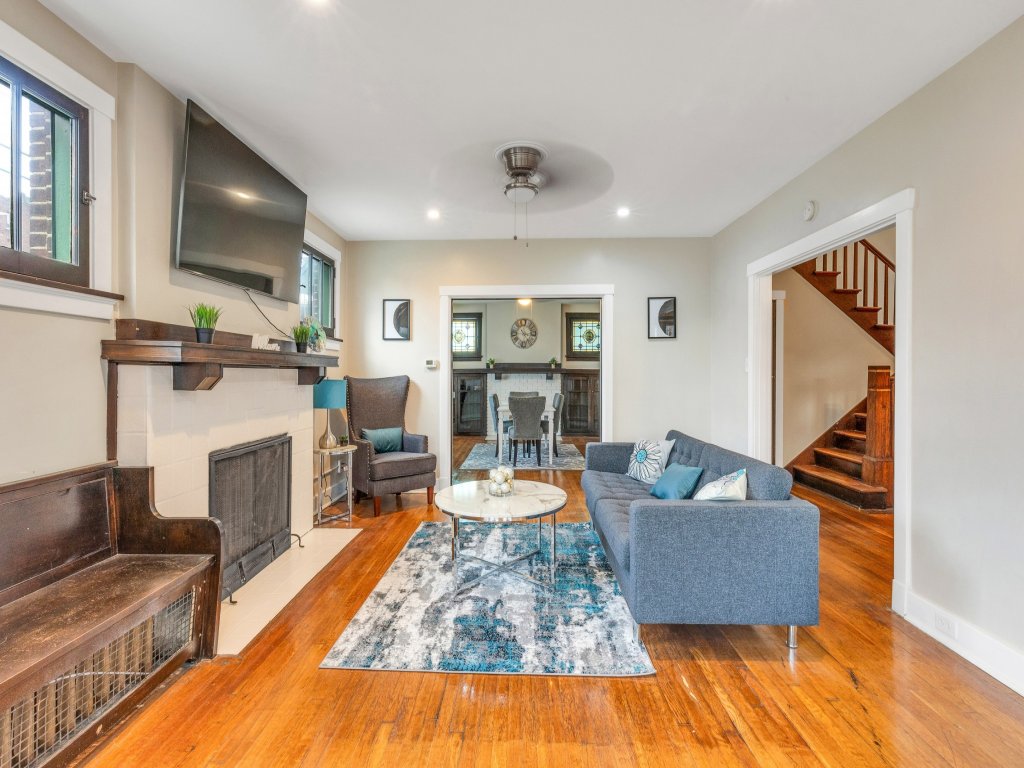
Spacious 3BR Home near Downtown, Oakland & East Liberty! Max 15 nights
This immaculate, spacious, cozy, & clean home is located on the Eastside of Pittsburgh PA. Just 0.5 miles from Interstate (I-376), 7 miles from downtown Pittsburgh, 2.8 miles from Bakers Square East Liberty, a short 9 minute drive to Oakland, t...
View this Pittsburgh Vacation Rental
Creating an Inviting Airbnb in Pittsburgh: Design and Furnishing Tips
To make your Airbnb in Pittsburgh stand out and reflect the city's unique style, consider the following tips:
Entry and First Impressions
- Ensure the entryway is welcoming with thoughtful touches such as a clean and stylishly decorated space, possibly including a small console table or a vase with fresh flowers.
Living Room
- Invest in lighting control with lamps and dimmer switches to create a cozy atmosphere.
- Provide nice, soft, clean blankets and pillows with different fill options to enhance comfort.
- Include occasional tables and a pouf for guests to place their drinks and feet.
- Design the layout to evoke conversation and consider adding a cozy reading nook.
Bedroom
- Offer high-quality bedding with extra layers stored in the closet for guest convenience.
- Provide two sleeping pillows per guest with different fill options (e.g., foam-filled, down alternative).
- Ensure temperature control with ceiling fans or adjustable heating/cooling systems.
- Include bedside tables and lamps with USB ports or wireless charging features.
- Install blackout shades to cater to different sleep preferences.
Functional and Dual-Purpose Spaces
- Create spaces that serve multiple functions, such as a dining room that can also be used as a workspace for business travelers or additional seating for dining.
- Utilize storage in furniture, like a sectional sofa with storage for blankets and pillows, to maximize space.
Reflecting Pittsburgh's Style
- Incorporate elements of industrial design, such as exposed brick and reclaimed wood, to reflect the city's rich history.
- Use contemporary furnishings with bold colors and patterns to create inviting and stylish atmospheres.
- Add unique touches like local art and cozy textiles to enhance the cultural vibe of Pittsburgh.
Outdoor Spaces
- If possible, provide outdoor spaces like balconies or patios to allow guests to enjoy the city's scenic views.
- Customize outdoor areas with high-impact, low-cost updates such as staining or painting the fence, adding planters with herbs and flowers, or using a durable outdoor rug.
Modern Amenities
- Include smart home features to enhance guest convenience.
- Provide stylish bedding and modern kitchen amenities to create a unique and comfortable guest experience.
Neighborhood Considerations
- Choose neighborhoods like Lawrenceville, Shadyside, the Strip District, or Mt. Washington, which offer vibrant communities, eclectic shops, and proximity to downtown attractions.
Cohesive Design
- Use a consistent color scheme throughout the home to keep the design feeling cohesive and well-planned.
By incorporating these tips, you can create an Airbnb in Pittsburgh that is both inviting and reflective of the city's unique style and charm.
Discovering Pittsburgh: Local Attractions and Insider Tips for Your Stay
Top Local Attractions
1. Point State Park
- Located at the confluence of the Allegheny, Monongahela, and Ohio rivers, this park features a large fountain and the Fort Pitt Museum, which offers insights into Pittsburgh's early history.
2. Duquesne Incline
- Take a ride on this historic cable car to the top of Mount Washington for panoramic views of the city and its rivers. It's a must-visit for both daytime and nighttime views.
3. The Strip District
- Explore this vibrant neighborhood known for its markets, boutiques, eateries, and unique shops. Visit Wholey’s Market for fresh seafood, Pennsylvania Macaroni Company for Italian specialties, and Grandpa Joe’s for vintage candies.
4. Carnegie Museums
- Includes the Carnegie Museum of Art, Carnegie Science Center, and Carnegie Museum of Natural History. These museums offer a wide range of exhibits, from art and science to natural history and dinosaurs.
5. Phipps Conservatory and Botanical Gardens
- A beautiful botanical garden with themed rooms, seasonal displays, and a children's garden. Perfect for nature enthusiasts and those seeking Instagram-worthy spots.
6. Andy Warhol Museum
- Dedicated to the life and work of Andy Warhol, this museum features interactive exhibits, film screenings, and hands-on art studios.
7. National Aviary
- Home to a wide array of birds in naturalistic habitats, including interactive bird feedings and a tropical rainforest room.
8. Pittsburgh Zoo & PPG Aquarium
- A combination zoo and aquarium with diverse animal exhibits, including a polar bear habitat with underwater views.
9. Frick Art and Historical Center
- Located in the historic Clayton mansion, this center features an art museum with Italian, French, and Flemish paintings, as well as a Car & Carriage Museum.
10. Cathedral of Learning
- A skyscraper on the University of Pittsburgh campus featuring the Nationality Rooms, themed classrooms from around the world.
Insider Tips
Breakfast at Pamela's
- Start your day with a visit to Pamela’s in the Strip District, known for its pancakes and local charm.
River Cruises
- Take a river cruise with Rivers of Steel or Gateway Clipper to see the city from a different perspective.
Bike the Burgh Tour
- Explore Pittsburgh on a guided bike tour that covers various aspects of the city, including its hidden treasures and scenic views.
Free Walking Tours
- Join a free walking tour to learn about Pittsburgh's history, quirks, and charm. Neighborhood tours are also available.
Visit During Less Busy Hours
- For a more relaxed experience in the Strip District, visit early in the morning around 9 am when stores are opening.
Enjoy the Nighttime Views
- Ride the Duquesne Incline after dark to enjoy stunning nighttime views of the city skyline.
Local Events and Festivals
- Check out local events like the Sunflower Festivals, sports games (Steelers, Penguins), and cultural events in the Cultural District.
By sharing these attractions and tips, you can help your guests have a memorable and enriching experience in Pittsburgh.
Practical Tips to Run a Successful Short Term Rental Business in Pittsburgh, Pennsylvania
To run a successful short-term rental business in Pittsburgh, Pennsylvania, several practical tips can enhance the guest experience and ensure compliance with local regulations.
Noise Regulations and Quiet Hours
Inform your guests about quiet hours to maintain a peaceful environment and comply with noise regulations. Include clear guidelines on acceptable noise levels in your digital and physical house manual to avoid any potential issues with neighbors.
Creating a Comprehensive House Manual
Develop both digital and physical house manuals that include essential instructions, such as Wi-Fi passwords, appliance usage, and emergency contact information. This manual should also outline house rules, including quiet hours, to ensure guests are well-informed and respectful of the property.
Simplified Check-in Process
Utilize smart locks to streamline the check-in process, eliminating the need for physical key exchanges. Provide guests with a unique access code and detailed instructions on how to enter the property. This not only enhances convenience but also reduces the likelihood of lost keys or access issues.
Parking Instructions with Photos
Include detailed parking instructions in your house manual, accompanied by photos to help guests identify designated parking areas. This can prevent confusion and potential parking violations, ensuring a smooth and stress-free stay for your guests.
By implementing these strategies, you can create a welcoming and well-organized environment for your guests, while also adhering to Pittsburgh's regulatory requirements and maintaining good relations with the local community.
Short-Term Rental Management Fees in Pittsburgh, Pennsylvania (2026)
Short-term rental management fees in Pittsburgh, Pennsylvania in 2026 typically range from 15% to 30% of gross rental revenue, depending on the scope of services provided. Full-service management — covering guest communication, channel distribution across Airbnb, Vrbo, and Booking.com, dynamic pricing, cleaning coordination, and 24/7 guest support — generally falls in the 22% to 30% range. Co-hosting or partial-service arrangements that leave more responsibility with the owner usually run 15% to 20%.
Industry-wide management fees have crept upward by roughly 1–2 percentage points since 2024 as operating costs, insurance premiums, and labor expenses have risen across the vacation rental sector. Pittsburgh-area managers may also charge separately for cleaning turnovers, maintenance dispatch, linen programs, and listing optimization. Some full-service operators in Pennsylvania now offer guaranteed-rent or revenue-share hybrid models, which can be worth comparing against a flat percentage structure for higher-revenue properties.
Market estimates as of 2026. Conditions vary; consult local operators for current data.
Short-Term Rental Market in Pittsburgh, Pennsylvania (2026)
Vacation rental performance in Pittsburgh, Pennsylvania has held up through 2025–2026 despite broader supply growth. The average daily rate is approximately $134. These figures reflect 2024 baseline data adjusted for 2025–2026 ADR growth of 3–5% and the modest occupancy compression seen across the U.S. short-term rental sector as new supply has entered the market.
For investors and operators evaluating Pittsburgh, the broader Pennsylvania dynamic remains favorable: rate strength continues to offset volume softness, keeping RevPAR (revenue per available rental) relatively stable year-over-year. Hyperlocal factors — neighborhood-level demand, seasonality, and the regulatory environment — should be confirmed before making investment or pricing decisions.
Market estimates as of 2026. Conditions vary; consult local operators for current data.


Trusted by Travelers Worldwide
Join millions of guests who have booked unforgettable stays through RedAwning's network of premium vacation rentals.